Updated 2026-06-20
Standing Desk Accessories That Actually Make a Difference
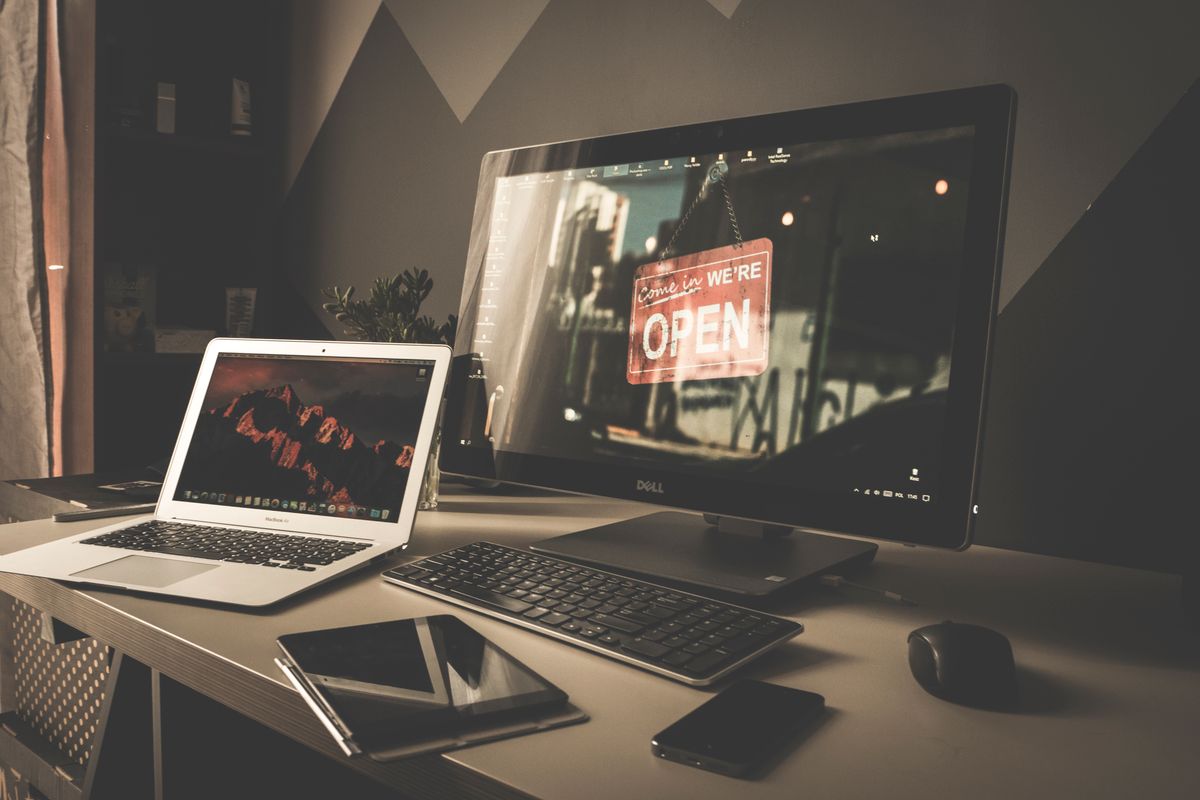
Most "must-have standing desk accessories" lists are 80% padding. After a year of actually using a sit-stand desk daily, the upgrades that genuinely improved how it works for me came down to four boring categories — and a couple of expensive "essentials" turned out to be skippable.
Here's the honest list.
Photos are illustrative of each category — tap the Amazon link under each pick for the exact product, current price, and reviews.
Who this is for
Anyone who already owns (or is about to buy) a standing desk and wants to know which accessories are worth the money. If you're hopping between sit and stand all day and your desk feels like it's fighting you, the items below fix the most common pain points.
The 4 accessories that actually matter
1. Travelling cable management
Standing desks move, and your cables don't like that. The number one upgrade most setups need is bundling cables loosely (velcro, not zip ties) and attaching the power strip to the desk frame so it rises and falls with the desk — not the floor outlet, which yanks the cables every time you hit the up button.
A cable management box mounted under the desktop is the cleanest fix. Once you do this, every other problem with cables disappears.
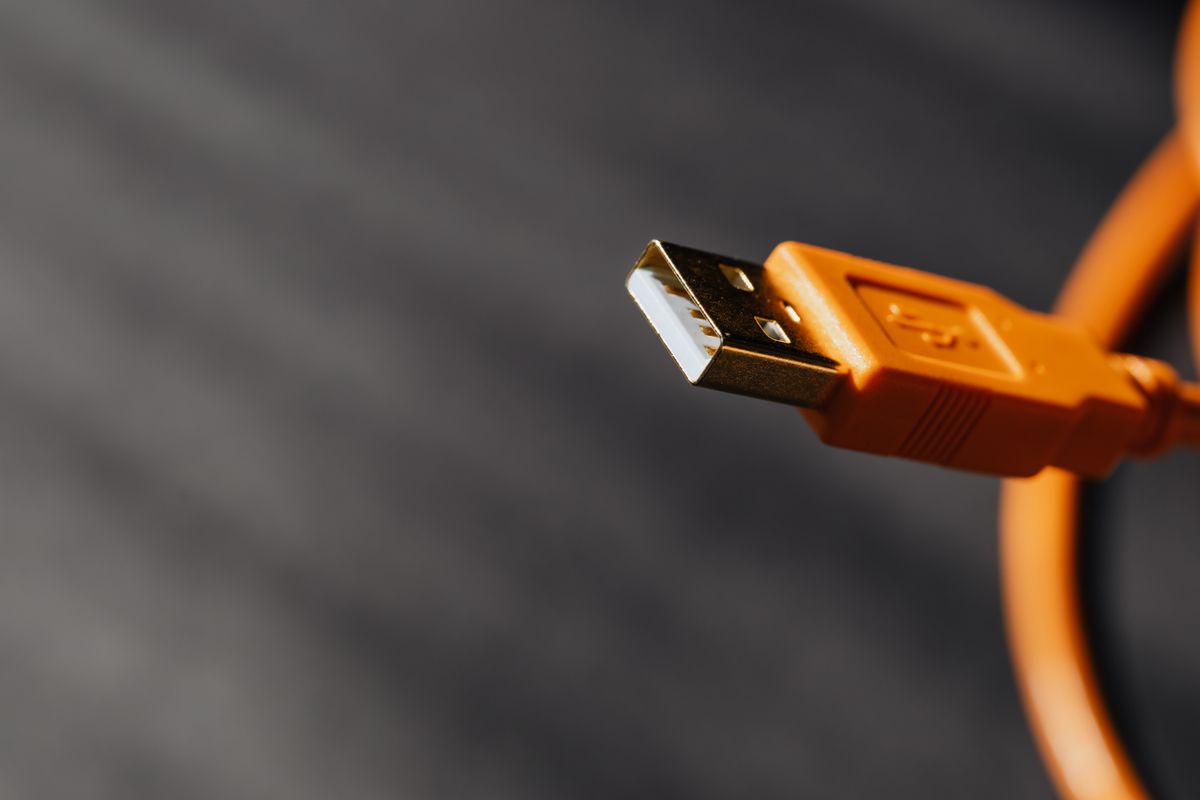
→ Check the D-Line cable management box on Amazon
2. A monitor height adjustment that works for both positions
Most people set their monitor for the seated position and live with it being too low when standing. A monitor riser solves it for sit-only setups, but if you stand often, a riser keeps the screen at a fixed offset from the desk — which means as the desk goes up, the screen goes up the right amount with it. That's the magic.
If you've already got an arm, perfect. If not, a sturdy riser is the budget answer.
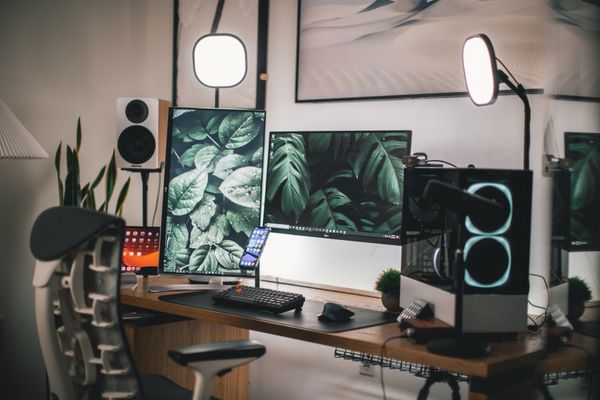
→ Check the SONGMICS bamboo monitor stand on Amazon
3. A surface that stays put when you move
Standing-desk vibration knocks small items off. A full-width desk pad solves two problems at once: it dampens that vibration, and the non-slip rubber base keeps your keyboard and mouse from slowly sliding around as you transition between sit and stand.
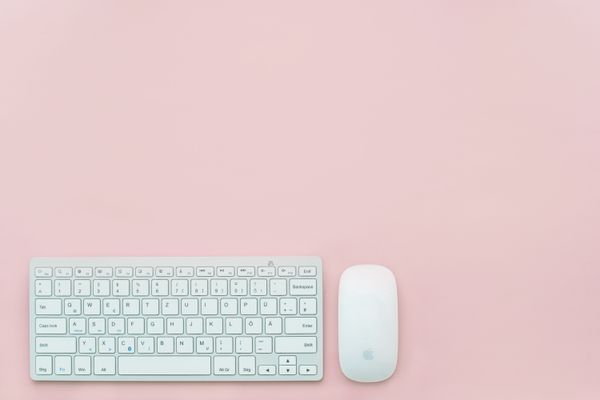
→ Check this large desk pad on Amazon
4. Good task lighting
Overhead lights aren't designed for the height range a standing desk covers — the angle is off when you're standing, and shadows fall differently than they did sitting. A dedicated LED desk lamp gives you consistent light at both positions, which is more important than people realise once they try it.
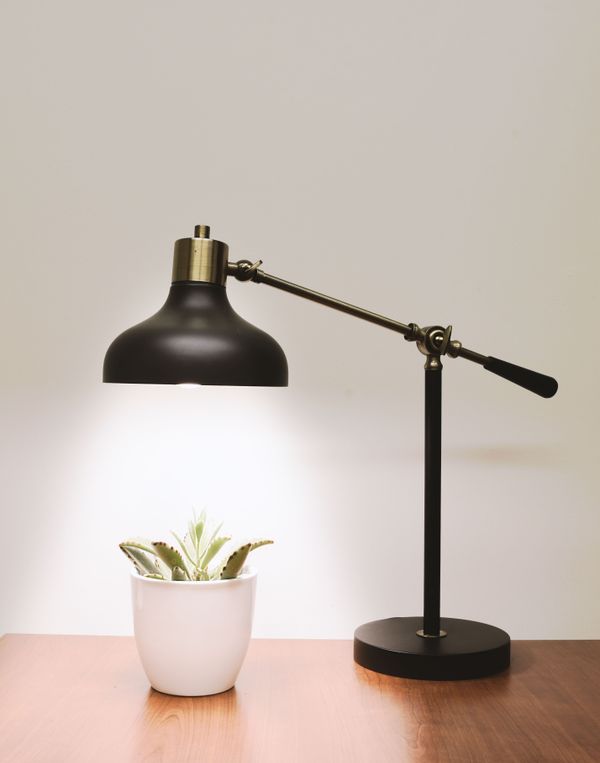
→ Check the Lepro LED desk lamp on Amazon
What's mostly wasted money
These show up in every "standing desk essentials" list. Real talk on each:
- Anti-fatigue mats. Some swear by them. Many find them just clutter and a tripping hazard. Try standing without one first; only buy if you actively feel discomfort in your feet.
- Treadmill desks. Sounds great. The reality is most people use them less than a week and they become very expensive treadmills.
- Standing desk converters on a standing desk. You already have a standing desk. Adding another adjustable layer is just more vibration.
- Programmable height presets. Nice to have but not worth paying extra for — you'll learn your seated and standing heights within a week and just press up/down.
Common mistakes new standing desk owners make
- Standing too long, too fast. Your body needs time to adapt. Start with 20–30 minute standing intervals; build up over weeks, not days.
- Setting the desk too high. Standing posture matters too. Elbows should be at roughly 90 degrees with your wrists flat — too high and you'll shrug your shoulders into knots.
- Ignoring screen height. A desk that adjusts but a screen that doesn't is half the win. Get the monitor at eye level in both positions or you'll just trade neck pain for a different angle.
- Cable chaos. Worth saying twice. Fix this in the first week or you'll grow to hate the desk.
FAQ
What's the most important standing desk accessory?
Cable management. Standing desks make existing cable problems much worse, and fixing it once permanently is the highest-value upgrade you'll make.
Do I need an anti-fatigue mat?
Probably not at first. Try a couple of weeks without one; if your feet or lower back complain on standing days, then add one. Many people never need it.
How high should my monitor be on a standing desk?
Same as on a seated one: the top of the screen at roughly eye level when you're looking straight ahead. The trick is matching that height in both positions, which a fixed riser handles automatically as the desk rises and falls.
Are standing desk treadmills worth it?
For most people, no. They sound great in theory but get used heavily for a week, then collect dust. If you want to walk more, walking meetings or a daily walk are far more sustainable.
The verdict
The honest list of standing-desk upgrades is short: fix the cables, get the monitor at eye level, anchor your work surface, and add good lighting. Skip the gadgets that sound great on YouTube but don't fix a real problem. Do those four things and the desk stops fighting you — which is when you actually start using the standing feature.
Affiliate disclosure: As an affiliate, Bonum Finds may earn from qualifying purchases at no extra cost to you. We only recommend products we'd use ourselves.